









Composting at home is a rewarding and eco-friendly way to reduce kitchen and yard waste while enriching your garden soil. If you’re new to composting, it might seem a little overwhelming, but with a few simple tips, you can create your own compost pile or bin and turn scraps into black gold for your plants.
In this guide, we’ll walk you through the basics of composting, share practical tips, and help you avoid common mistakes. Whether you have a spacious backyard or a small apartment balcony, there’s a composting method that will work for you.
What Is Composting and Why Should You Do It?
Composting is the natural process where organic materials like food scraps and yard waste break down into rich, dark soil called humus. This process is fueled by microbes, worms, and other decomposers.
Benefits of composting at home:
– Reduces the amount of waste sent to landfills
– Creates nutrient-rich soil to boost plant health
– Decreases the need for chemical fertilizers
– Helps retain moisture in the soil
– Supports a healthier garden ecosystem
Getting Started: Choose Your Composting Method
Depending on your space and lifestyle, you can compost in several ways:
Backyard Composting
If you have a yard, you can create a compost pile directly on the ground or use a compost bin. Compost bins help keep the pile tidy and deter pests.
Tumblers
Compost tumblers are enclosed containers that you can rotate to mix materials easily. They speed up decomposition and reduce odor.
Vermicomposting (Worm Composting)
Perfect for small spaces or apartments, vermicomposting uses worms to break down food scraps in a container indoors or outdoors.
Bokashi Composting
A fermentation method that breaks down food waste quickly using special bran and bacteria. It’s great for all food types, including meat and dairy, and works well in small spaces.
What Can You Compost?
Knowing what to add (and what to avoid) is key to successful composting.
Greens (Nitrogen-rich materials)
– Fruit and vegetable scraps
– Coffee grounds and filters
– Tea bags (without staples)
– Fresh grass clippings
– Eggshells (crushed)
Browns (Carbon-rich materials)
– Dry leaves
– Straw and hay
– Shredded newspaper and cardboard
– Wood chips or sawdust (untreated)
– Paper towels and napkins (unbleached)
What to Avoid
– Meat, fish, and dairy products (can attract pests)
– Oils and greasy foods
– Diseased plants
– Pet waste
– Synthetic chemicals or treated wood
Tips for a Successful Compost Pile
1. Balance Greens and Browns
A good compost pile requires a balance of nitrogen-rich greens and carbon-rich browns. Aim for roughly 2-3 parts browns to 1 part greens by volume. This balance supports proper decomposition and prevents bad odors.
2. Chop or Shred Materials
Smaller pieces break down faster. Chop vegetable scraps and shred leaves or newspaper before adding them.
3. Keep It Moist
Your compost pile should be as damp as a wrung-out sponge. Too dry and decomposition slows down; too wet and it could become smelly. Water or cover the pile during dry spells.
4. Turn the Pile Regularly
Aerating the pile by turning it with a pitchfork or compost aerator every 1-2 weeks speeds up the process and reduces odors.
5. Monitor Temperature
A healthy compost pile heats up to 130-150°F, which helps kill weed seeds and pathogens. If it’s not heating, add more greens or turn it to add oxygen.
How Long Does Compost Take?
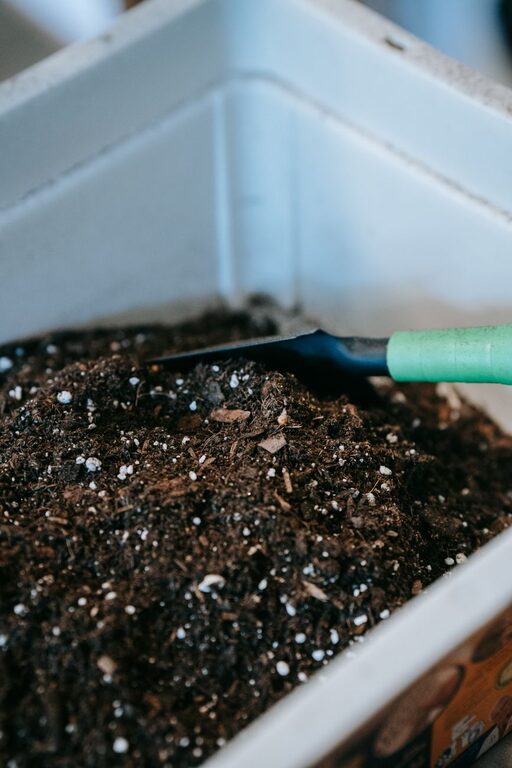
Depending on the method, materials, and care, compost can take anywhere from 1 month (in hot, well-maintained compost) to 1 year. Finished compost is dark, crumbly, and smells earthy.
Using Your Finished Compost
Once ready, use compost to:
– Enrich garden beds and flower pots
– Top dress lawns
– Improve soil structure in vegetable gardens
– Mulch around trees and shrubs
Common Composting Challenges
– Foul odors: Usually caused by too much moisture or too many greens. Add browns and turn the pile.
– Pests: Avoid adding meat or dairy. Secure your compost bin and use a lid or screen.
– Slow decomposition: Chop materials smaller, add water if dry, and turn more frequently.
Final Thoughts
Starting composting at home is a simple way to contribute to a healthier environment while benefiting your garden. Begin with small steps, experiment with what works best for your space, and enjoy the process of creating your own natural fertilizer.
Remember, composting is flexible and forgiving. As you learn, you’ll find your rhythm and enjoy watching ordinary scraps transform into something wonderful for your plants and the planet. Happy composting!