









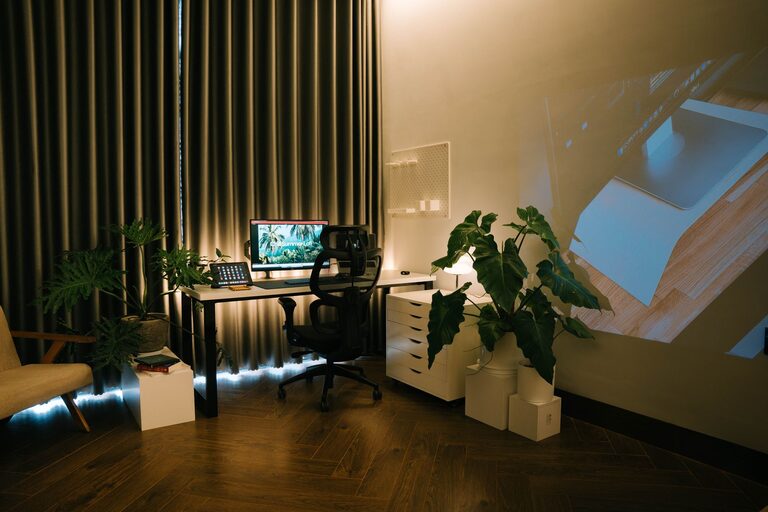
Creating a relaxing home workspace is essential for maintaining focus, reducing stress, and improving overall productivity—especially when many people work from home. A well-designed workspace can help you separate work from leisure, boost your mood, and make your daily tasks more enjoyable.
In this guide, we’ll explore practical steps to help you create a peaceful and inviting home office that supports your work and well-being.
Why a Relaxing Workspace Matters
When your workspace feels chaotic or uncomfortable, it’s easy to become distracted or overwhelmed. A relaxing environment can:
– Improve concentration
– Reduce anxiety and fatigue
– Encourage creativity
– Promote better posture and comfort
By intentionally setting up your workspace, you create a positive atmosphere that supports both your mental and physical health.
Choosing the Right Location
Find a Quiet Spot
Look for a place in your home that is relatively quiet and free from distractions. If possible, choose a room or corner away from noisy areas like the kitchen or living room.
Prioritize Natural Light
Natural light can boost your mood and energy levels. Position your desk near a window to take advantage of daylight. If natural light is limited, use soft, warm artificial lighting that mimics daylight.
Consider Privacy
Having a dedicated space where you can focus without interruptions is important. If you share your home with others, try to find a location that offers some privacy, such as a spare room or a partitioned area.
Furnishing Your Workspace
Invest in a Comfortable Chair
An ergonomic chair with good lumbar support is key to avoiding back pain and staying comfortable during long work sessions.
Choose a Suitable Desk
Your desk should be the right height, allowing you to sit with your feet flat on the floor and your arms at a comfortable angle. If possible, consider a sit-stand desk to alternate between sitting and standing.
Keep Essentials Within Reach
Organize your desk so that frequently used items like your computer, notebook, and phone are easy to access. This reduces unnecessary movement and distractions.
Organization and Decluttering
Use Storage Solutions
Keep your workspace tidy by using shelves, drawers, or storage boxes to organize supplies, documents, and electronics.
Limit Desk Items
Try to keep only the essentials on your desk to minimize clutter. A clean surface can help clear your mind and improve focus.
Digital Organization
Maintain an organized computer desktop and file system to reduce digital clutter, which can be just as distracting as physical mess.
Adding Relaxing Elements
Incorporate Plants
Houseplants add natural beauty and have been shown to reduce stress and improve air quality. Choose low-maintenance plants like succulents or snake plants.
Use Soothing Colors
Colors can influence mood. Soft blues, greens, or neutral tones create a calming atmosphere. Avoid overly bright or harsh colors in your workspace.
Personalize Mindfully
Add a few personal touches like artwork, photos, or meaningful objects, but avoid overcrowding your space. Personalization helps create a comfortable, inviting environment.
Lighting Tips
Combine Lighting Sources
Use a mix of ambient, task, and accent lighting. A desk lamp with adjustable brightness can reduce eye strain and improve focus.
Avoid Glare and Shadows
Position your light sources to prevent screen glare and harsh shadows. This helps reduce eye fatigue and creates an even, comfortable light.
Managing Noise
Use Noise-Canceling Headphones
If you cannot control external noise, noise-canceling headphones can help you concentrate and create a sense of calm.
Play Background Music or White Noise
Soft instrumental music or white noise can drown out distractions and boost productivity for some people.
Establishing Work Routines
Create a Start-Up Ritual
Begin your day with a routine that signals the start of work, like making a cup of tea or reviewing your to-do list at your desk.
Take Regular Breaks
Schedule breaks to stand up, stretch, or walk around. Breaks help prevent fatigue and keep your mind fresh.
End Your Workday Mindfully
Close your workspace or turn off your computer to mentally separate work time from personal time.
Final Thoughts
Designing a relaxing home workspace doesn’t have to be complicated or expensive. By choosing a quiet location, furnishing it thoughtfully, keeping it tidy, and adding calming touches, you’ll create a comfortable area that supports both productivity and well-being.
Remember, your workspace should work for you, so feel free to experiment and adjust until you find the perfect balance between function and relaxation. A calm, inviting work environment can transform your home office into a place where you enjoy spending your workday.